Meaning of 了
了
HSK 1
Meaning
Particle
- marks a completed action or a change of situation — Used at the end of a sentence or after a verb.
- now (indicating a new change or new situation)
Verb
- to finish; to end — used as a main verb, quite different from the particle 了 (le)
- can; be able to — used in potential complements: 做得了 / 做不了
Examples
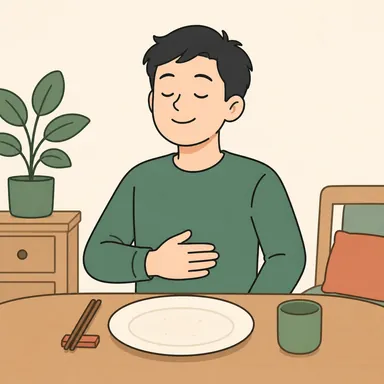
我吃了。
I have eaten.
天气冷了。
The weather has turned cold.
这件事还没了。
This matter is not finished yet.
我一个人做不了。
I cannot do it alone.
Radicals
Words with 了
- 为了wèi lefor the sake of; in order to
- 除了chú lebesides; apart from; except
- …极了jí leextremely; exceedingly
- 了解liǎo jiěto understand, to know well
- 了不起liǎo bu qǐextraordinary, amazing
- 受不了shòu bu liǎocannot bear, cannot stand
- 完了wán ledone, finished
- 得了dé leenough, that's enough
- 不得了bù dé liǎoserious, terrible
- 算了suàn leforget it; let it go
- 罢了bà lethat's all, only this
- 了却liǎo quèto settle, to accomplish (a difficult or important matter)
- 了结liǎo jiéto settle, to conclude
- 吹了chuī leto have blown (out), blew
- 免不了miǎn bu liǎounavoidable, inevitable
- 别提了bié tí ledon't even mention it; let's not talk about it (often expresses frustration, not wanting to bring up something unpleasant)
- 少不了shǎo bu liǎoindispensable; cannot do without; unavoidable
- 忘不了wàng bu liǎounable to forget
- 说白了shuō bái leto put it bluntly, to put it plainly
- 一目了然yí mù liǎo ránclear at a glance
- 不了了之bù liǎo liǎo zhīTo let it slide, to leave unresolved
- 没完没了méi wán méi liǎoendless, ceaseless, going on and on without stopping
- 对了duì leby the way
- 吃了吗chī le mahave you eaten? (casual greeting)