





Promotion

Lesson 1: Meeting for the First Time

你好

Learn 是 + N and 不是 + N through Meeting for the First Time.

11 words2 grammar points1 dialogues~12 min

Vocabulary11 words

我wǒPronoun
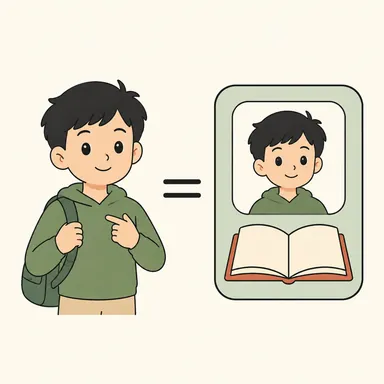
Illustration for 我
  • I, me

Examples

我是越南人。

wǒshìyuènánrén。

I am Vietnamese.

我有一个哥哥。

wǒyǒuyígègēge。

I have an older brother.

你nǐPronoun
Illustration for 你
  • you

Examples

你好吗?

nǐhǎoma?

How are you?

好hǎoAdjective
Illustration for 好
  • 1.good; well; fine
  • 2.OK; all right (used to express agreement)Used as an interjection to express agreement or approval.

Examples

你的中文很好。

nǐdezhōngwénhěnhǎo。

Your Chinese is very good.

吗maParticle
Illustration for 吗
  • a question particle (turns a statement into a yes/no question)Placed at the end of a sentence to turn a statement into a question.

Examples

你好吗?

nǐhǎoma?

How are you?

是shìVerb
Illustration for 是
  • to bea linking verb: A is B

Examples

我是学生。

wǒshìxuéshēng。

I am a student.

不bùAdverb
Illustration for 不
  • not, nonegates an action or quality in the present or future

Examples

我不去。

wǒbúqù。

I am not going.

他不是老师。

tābúshìlǎoshī。

He is not a teacher.

老师lǎoshīNoun
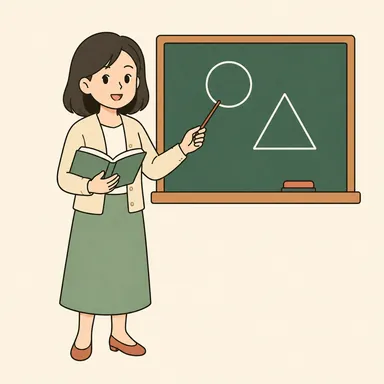
Illustration for 老师
  • teacher

Examples

我们的老师很好。

wǒmendelǎoshīhěnhǎo。

Our teacher is very good.

学生xuéshengNoun
Illustration for 学生
  • student

Examples

我是大学生。

wǒshìdàxuéshēng。

I am a university student.

中国ZhōngguóNoun
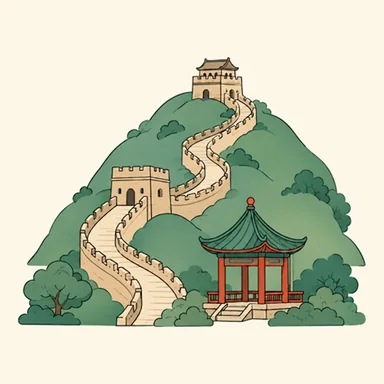
Illustration for 中国
  • China

Examples

我想去中国旅游。

wǒxiǎngqùzhōngguólǚyóu。

I want to travel to China.

您nínPronoun
Illustration for 您
  • you (polite form, used respectfully for elders or people of higher status)

Examples

您好!请问您找谁?

nínhǎo!qǐngwènnínzhǎoshuí?

Hello! May I ask who you are looking for?

人rénNoun
Illustration for 人
  • person, humanThe root word for a human being in general.

Examples

我是人。

wǒshìrén。

I am a person.

Grammar

Affirmative sentences with "to be" (是)

S + 是 + N

Use "是" to introduce yourself or others; it means "to be". Structure: Subject + 是 + Noun. This is the simplest way to talk about identity, occupation, or nationality.

我是学生。

wǒshìxuéshēng。

I am a student.

他是老师。

tāshìlǎoshī。

He is a teacher.

Negative sentences with "to not be" (不是)

S + 不是 + N

Use "不是" before a noun to negate a "是" sentence; it means "to not be". Structure: Subject + 不是 + Noun.

我不是老师。

wǒbúshìlǎoshī。

I am not a teacher.

她不是中国人。

tābúshìzhōngguórén。

She is not Chinese.

Dialogues

Meeting for the First Time

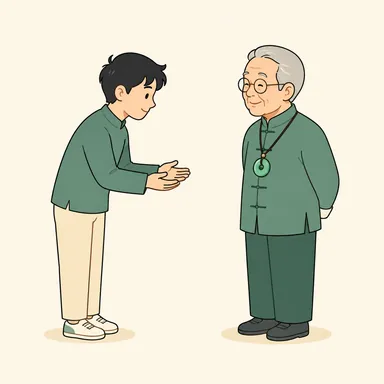
A student and a teacher meet for the first time in class.

小林
小林

你好!

nǐhǎo!

Hello!

小南
小南

你好!你是学生吗?

nǐhǎo!nǐshìxuéshēngma?

Hello! Are you a student?

小林
小林

是,我是学生。你也是学生吗?

shì,wǒshìxuéshēng。nǐyěshìxuéshēngma?

Yes, I am a student. Are you a student too?

小南
小南

不,我不是学生。我是老师。

bù,wǒbúshìxuéshēng。wǒshìlǎoshī。

No, I am not a student. I am a teacher.

小林
小林

哦,您好!

ò,nínhǎo!

Oh, hello, sir!

小南
小南

你好。你是中国人吗?

nǐhǎo。nǐshìzhōngguórénma?

Hello. Are you Chinese?

小林
小林

我是越南人。

wǒshìyuènánrén。

I'm Vietnamese.