Structure for wanting to introduce someone/something to someone
S + (想) + 介绍 + NUse 介绍 to introduce a person or thing. Structure: Subject + (想) + 介绍 + object.
我想介绍我的朋友。
I'd like to introduce my friend.
她想介绍这个国家。
She wants to introduce this country.
Learn (想) + 介绍 + N and 太 + 形容词 + 了 through Introducing a Country.

Examples
你说得对,这正是我想要的。
You're right, this is exactly what I want.
请坐正。
Please sit up straight.

Examples
他笑得很开心。
He laughs happily.
不要笑别人。
Don't laugh at others.
Examples
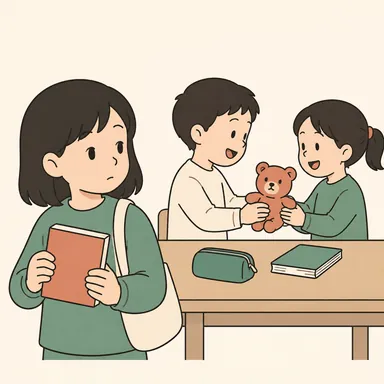
这是别人的东西。
This is someone else's thing.
Examples
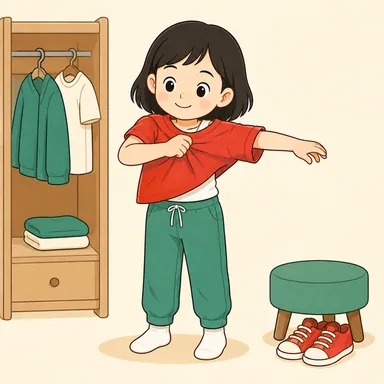
我穿红色的衣服。
I am wearing red clothes.
他穿黑色的鞋。
He is wearing black shoes.
Examples
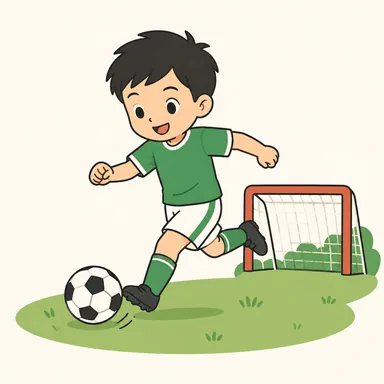
我喜欢踢足球。
I like to play soccer.
这是一个篮球。
This is a basketball.

Examples
我家很远。
My home is very far.
我家离学校很远。
My home is very far from school.
Examples
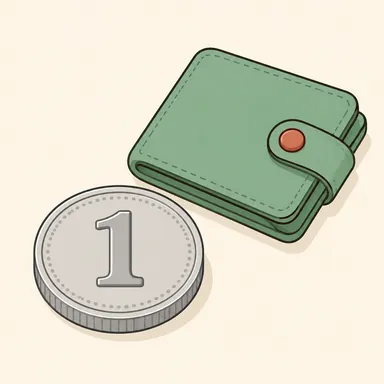
这个东西十元钱。
This thing costs ten yuan.
元朝是中国的一个朝代。
The Yuan dynasty was a dynasty of China.

Examples
请自我介绍。
Please introduce yourself.
我介绍一下我的朋友。
Let me introduce my friend.

Examples
她们是我的朋友。
They (the women) are my friends.
她们在看书。
They (the women) are reading.
Examples
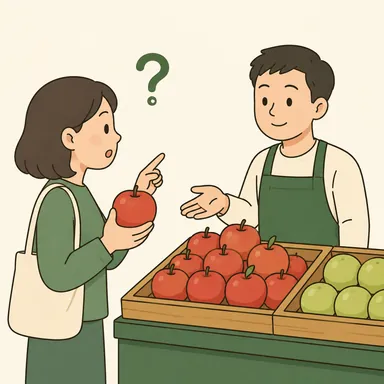
这个苹果多少钱?
How much is this apple?
你知道有多少人吗?
Do you know how many people there are?

Examples
我家人很好。
My family is very nice.
周末我跟家人一起吃饭。
On weekends I eat with my family.
Examples
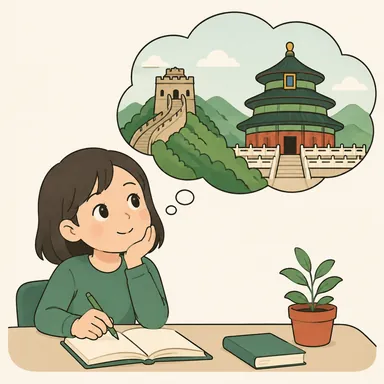
我想去中国。
I want to go to China.
我想喝茶。
I want to drink tea.
S + (想) + 介绍 + NUse 介绍 to introduce a person or thing. Structure: Subject + (想) + 介绍 + object.
我想介绍我的朋友。
I'd like to introduce my friend.
她想介绍这个国家。
She wants to introduce this country.
太 + 形容词 + 了This structure is used to emphasize, showing a very high degree of an adjective. It often carries a tone of surprise or exclamation. '了' at the end of the sentence adds emotional emphasis to what is said.
这个书包太贵了!
This backpack is too expensive!
这个电影太好看了!
This film is so good!
Two friends, Xiao Lin (Vietnamese) and Xiao Mei (Chinese), are chatting online. Xiao Lin asks about Xiao Mei's country.
小美,你能介绍你的国家吗?
Xiao Mei, can you tell me about your country?
行。我的国家是中国,很远。你想去吗?
Sure. My country is China; it's very far. Do you want to go?
想!我听说飞机票太贵了。多少钱?
I do! I hear plane tickets are really expensive. How much?
我不知道。别人都说不贵。
I don’t know. Everyone else says it’s not expensive.
哦,你穿中国衣服真好看!
Oh, you look great in Chinese clothes!
谢谢!你看,这是我的家人和朋友。
Thanks! Look, these are my family and friends.
她们正在笑,真好看!
They’re laughing — they look great!
是我和我的朋友。她们都喜欢打球。
That’s me and my friends. They all like playing ball.
中国的球贵吗?多少元?
Are balls expensive in China? How many yuan?
不贵,五十元。你也喜欢打球吗?
Not expensive — fifty yuan. Do you like playing ball too?