


Promotion

Lesson 4: Distance and Means of Transport

多远

Learn A + 比 + B + 形容词 and 主语 + 离 + 地点 + 近/远 through Distance and Means of Transport.

7 words2 grammar points1 dialogues~14 min

Vocabulary7 words

旁边pángbiānNoun
Illustration for 旁边
  • beside, next toIndicates a position right next to something, usually used after the subject or after a place word.

Examples

我坐在他旁边。

wǒzuòzàitāpángbiān。

I sit next to him.

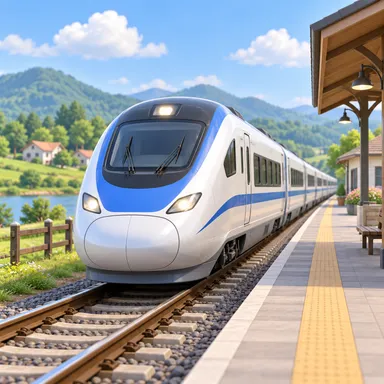
火车huǒchēNoun
Illustration for 火车
  • train

Examples

火车来了。

huǒchēláile。

The train has arrived.

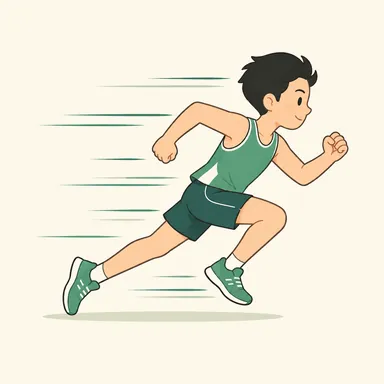
快kuàiAdjective
Illustration for 快
  • 1.fast; quick
  • 2.happy; pleased
  • 3.soon; about to

Examples

他跑得很快。

tāpǎodehěnkuài。

He runs very fast.

我很快就要回家了。

wǒhěnkuàijiùyàohuíjiāle。

I will be going home soon.

站zhànVerb
Illustration for 站
  • 1.to standThe action of standing up.
  • 2.station; stopA place where vehicles stop.

Examples

站起来。

zhànqǐlái。

Stand up.

火车站。

huǒchēzhàn。

Train station.

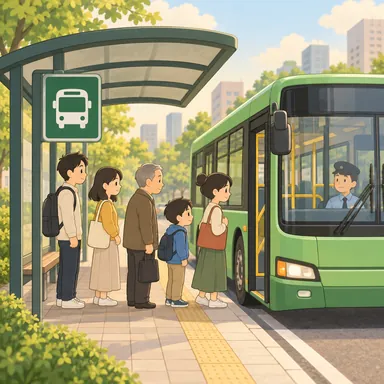
车站chēzhànNoun
Illustration for 车站
  • station, bus stop

Examples

我去车站。

wǒqùchēzhàn。

I am going to the station.

车站在哪里?

chēzhànzàinǎli?

Where is the station?

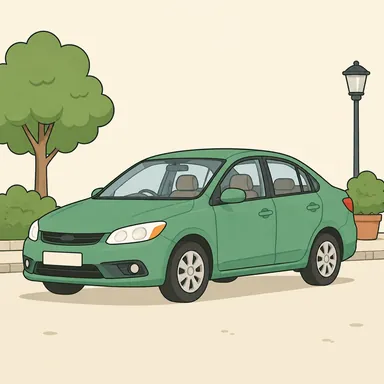
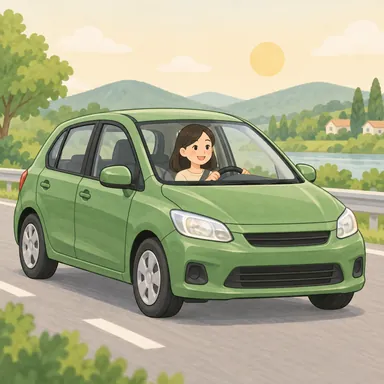
汽车qìchēNoun
Illustration for 汽车
  • 1.car, automobileA general term for motor vehicles.
  • 2.car

Examples

这是我爸爸的汽车。

zhèshìwǒbàbadeqìchē。

This is my dad's car.

我喜欢红色的汽车。

wǒxǐhuanhóngsèdeqìchē。

I like red cars.

车chēNoun
Illustration for 车
  • vehicle, carin general; it can be a car, motorbike, etc.

Examples

坐车。

zuòchē。

To take a vehicle.

Grammar

Comparisons

A + 比 + B + 形容词

Used to compare two things or two actions. Pattern: A + 比 + B + adjective. Sometimes you can add a degree adverb such as 一点儿 (a little) or 多了 (much more) after the adjective.

这个商店比那个商店大一点儿。

zhègeshāngdiànbǐnàgeshāngdiàndàyìdiǎnr。

This shop is a bit bigger than that one.

坐汽车比走路快多了。

zuòqìchēbǐzǒulùkuàiduōle。

Going by bus is much faster than walking.

Asking Whether Something Is Near or Far

主语 + 离 + 地点 + 近/远

Used to describe whether the distance from the subject to a certain place is near or far. Pattern: [Subject] + 离 + [Place] + 近/远. Often used to ask about and give directions.

我家离车站很近。

wǒjiālíchēzhànhěnjìn。

My home is very close to the station.

火车站离学校有点儿远。

huǒchēzhànlíxuéxiàoyǒudiǎnryuǎn。

The train station is a bit far from the school.

Dialogues

Distance and Means of Transport

Someone is trying to find the way to the train station.

小南
小南

你好,请问,火车站怎么走?

nǐhǎo,qǐngwèn,huǒchēzhànzěnmezǒu?

Hello, excuse me, how do I get to the train station?

姑娘
姑娘

从这儿走,到前边那条路就是了。

cóngzhèrzǒu,dàoqiánbiannàtiáolùjiùshìle。

Walk from here; the road up ahead is the one.

小南
小南

远吗?走路要多久?

yuǎnma?zǒulùyàoduōjiǔ?

Is it far? How long does it take to walk?

姑娘
姑娘

走路有点儿远。你坐汽车吧,比走路快多了。

zǒulùyǒudiǎnryuǎn。nǐzuòqìchēba,bǐzǒulùkuàiduōle。

It's a bit far on foot. Take the bus; it's much faster than walking.

小南
小南

车站在哪儿?

chēzhànzàinǎr?

Where is the bus stop?

姑娘
姑娘

就在前面商店旁边。你也能坐车去,很快。

jiùzàiqiánmiànshāngdiànpángbiān。nǐyěnéngzuòchēqù,hěnkuài。

Right next to the shop ahead. You can also go by car — it’s quick.